



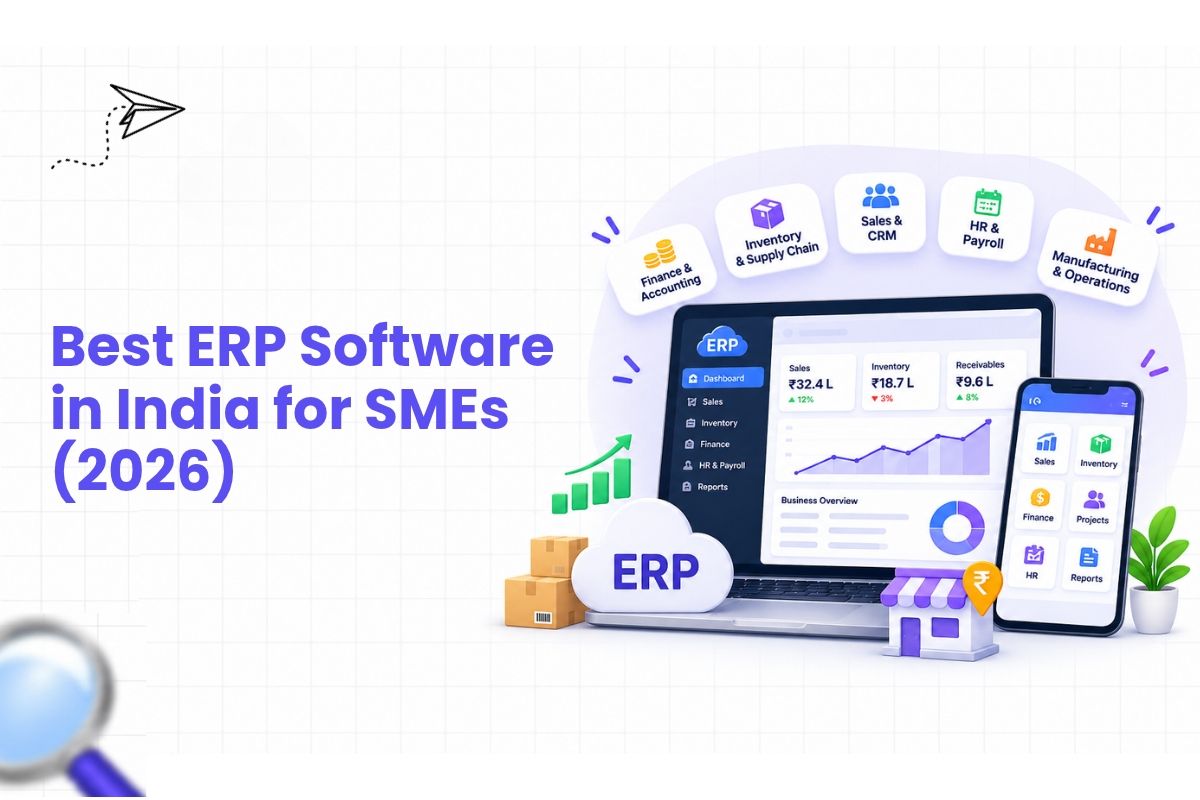
Quick answer: The best ERP software in India for SMEs in 2026 includes Tally Prime, Zoho ERP, Busy Accounting Software, Marg ERP, Odoo, and SAP Business One. The right pick depends on your business size, industry, and whether you need GST-ready billing, e-invoicing, inventory control, or multi-location scalability. Prices typically range from free plans to ₹15,000+ per user annually.
If your business still runs on a patchwork of spreadsheets, WhatsApp orders, and a billing tool that doesn’t talk to your accountant’s software, you already know the pain. Stock counts don’t match. GST returns take days to reconcile. Nobody can tell you, in real time, which product is actually making money.
- What Is ERP Software and Why Do SMEs in India Need It?
- Key Features to Look for in the Best ERP Software in India
- Best ERP Software in India for SMEs in 2026
- ERP Software Comparison Table
- How Much Does ERP Cost for SMEs in India?
- How to Choose the Right ERP for Your Business
- Common ERP Implementation Mistakes to Avoid
- Choosing the Right ERP Starts With Knowing Your Business Needs
- Frequently Asked Questions
This is exactly the gap enterprise resource planning (ERP) software was built to close. For small and medium enterprises (SMEs) in India — whether you’re running a manufacturing unit, a trading business, a distribution network, a retail store, or a services firm — the right ERP connects sales, inventory, accounting, and compliance into one system.
This guide covers what ERP software actually does, the features that matter most for Indian SMEs (GST, e-invoicing, e-way bills included), a comparison of the best ERP software in India for SMEs in 2026, realistic pricing in INR, and the mistakes to avoid during implementation.


What Is ERP Software and Why Do SMEs in India Need It?
ERP software is a single platform that integrates core business functions — finance, inventory, procurement, sales, HR, and production — so data flows between departments automatically instead of living in disconnected spreadsheets or standalone apps.
For Indian SMEs specifically, ERP matters for three reasons:
- Compliance complexity. GST filing, e-invoicing thresholds, e-way bill generation, and TDS/TCS rules change frequently. A compliant ERP for small business in India keeps these updates built in, so you’re not manually tracking every notification from the GST Council.
- Operational fragmentation. Many SMEs use one tool for billing, another for inventory, and Excel for everything else. This creates duplicate data entry and reconciliation errors.
- Growth bottlenecks. A business that scales from one location to three, or from 10 SKUs to 500, outgrows manual processes quickly. ERP software is built to scale alongside the business without needing a system overhaul later.
In short: ERP for small business in India isn’t just a finance tool — it’s the operational backbone that lets a growing company stay accurate, compliant, and efficient at the same time.


Key Features to Look for in the Best ERP Software in India
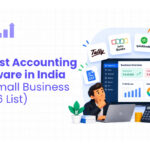
Not every ERP platform is built the same way, and SMEs don’t need the same depth of functionality as a large enterprise. Here’s what to prioritize when evaluating the best ERP software in India for your business.
GST, E-Invoicing, and E-Way Bill Compliance
Look for GST-ready ERP software that generates GST-compliant invoices, auto-calculates tax rates, supports e-invoicing (mandatory for businesses above the applicable turnover threshold), and creates e-way bills directly from the system. This single feature set can eliminate hours of manual compliance work every month. For the latest thresholds and rules, always cross-check with the official GST portal.

Inventory and Order Management
For manufacturing and distribution SMEs especially, real-time stock tracking, batch/lot tracking, reorder alerts, and multi-warehouse support are non-negotiable. An ERP for manufacturing SMEs should also support bill of materials (BOM) and production planning.
Accounting and Finance
The ERP should handle ledgers, accounts payable/receivable, bank reconciliation, and financial reporting without needing a separate accounting tool bolted on.
Cloud vs. On-Premise
Cloud ERP in India has become the default choice for most SMEs because it requires no server infrastructure, supports remote access, and scales pricing with usage. On-premise ERP still suits businesses with strict data residency needs or unreliable internet access, but it typically comes with a higher upfront cost and ongoing maintenance burden.
Mobile Access and Reporting
Owners and managers increasingly need to approve orders, check stock, or review sales dashboards from a phone. Mobile access and built-in reporting dashboards are now standard expectations, not premium add-ons.
Scalability and Integrations
Choose a system that can add users, locations, or modules (like payroll or CRM) without forcing a full migration later. Integration with payment gateways, e-commerce platforms, and marketing tools is also worth checking — see our guide to the best payment gateways in India if this matters for your sales channels.
Best ERP Software in India for SMEs in 2026
Here’s an honest look at some of the most widely used ERP and ERP-adjacent platforms among Indian SMEs. Pricing is approximate as of 2026 and may change — always confirm current rates directly with the vendor.
1. Tally Prime
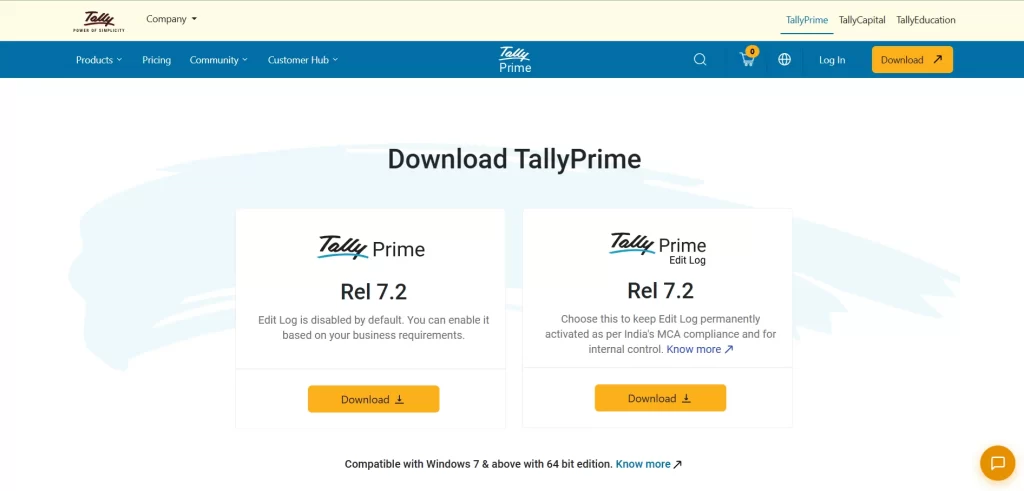
Tally has been a staple for Indian businesses for decades, and Tally Prime extends its traditional accounting strength into fuller ERP territory with inventory, GST billing, and multi-company support.
Pros: Deep familiarity among Indian accountants, strong GST and e-invoicing support, works well offline.
Cons: Less modern UI compared to newer cloud ERPs; advanced ERP modules (like production planning) are more limited.
Best for: Trading and retail SMEs that want proven GST compliance with minimal learning curve.
Pricing: Roughly ₹18,000–₹54,000 as a one-time license fee depending on edition, plus optional subscription renewals — confirm current pricing with Tally directly.
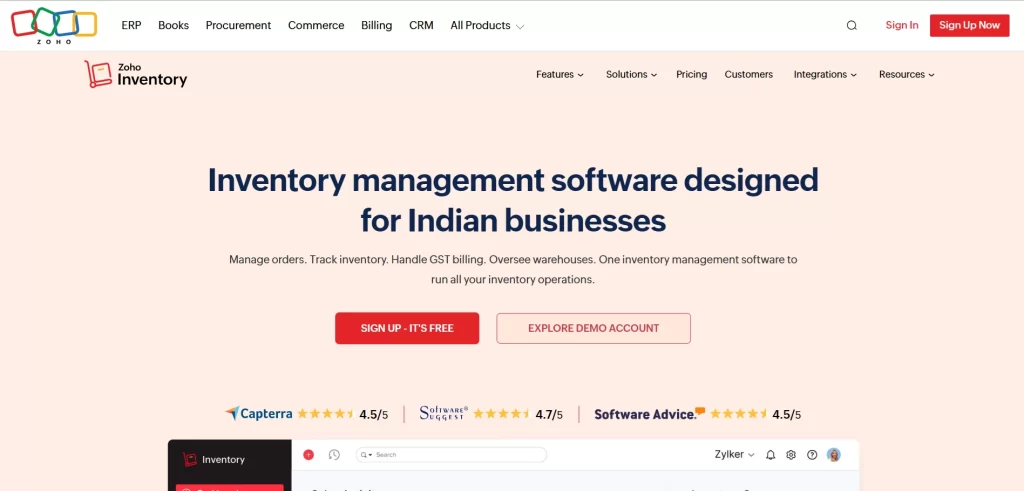
2. Zoho ERP (Zoho One / Zoho Books + Inventory)
Zoho offers a modular suite where SMEs can combine Zoho Books, Zoho Inventory, and Zoho CRM into an ERP-like setup, or opt for the broader Zoho One bundle.
Pros: Cloud-based, strong integration across Zoho’s own app ecosystem, mobile-friendly.
Cons: Full ERP functionality requires stitching together multiple Zoho apps rather than one unified module.
Best for: Services and trading SMEs already using other Zoho products.
Pricing: Plans typically start under ₹1,000 per user/month for individual apps, with bundled pricing for Zoho One — check Zoho’s current India pricing page for exact figures.
3. Busy Accounting Software
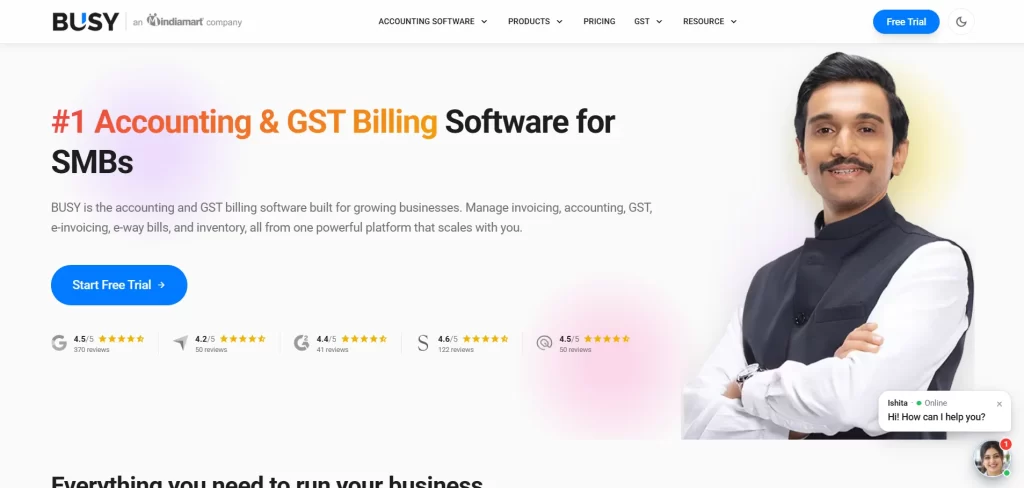
Busy is another long-standing Indian platform offering GST billing, inventory, and multi-branch accounting in one system.
Pros: GST-ready out of the box, supports multi-currency and multi-location businesses, strong local support network.
Cons: Interface feels dated compared to newer cloud-native tools.
Best for: SMEs needing dependable GST and inventory management without a steep price tag.
Pricing: Approximate range of ₹7,000–₹24,000 per year depending on edition — confirm with Busy for current rates.
4. Marg ERP
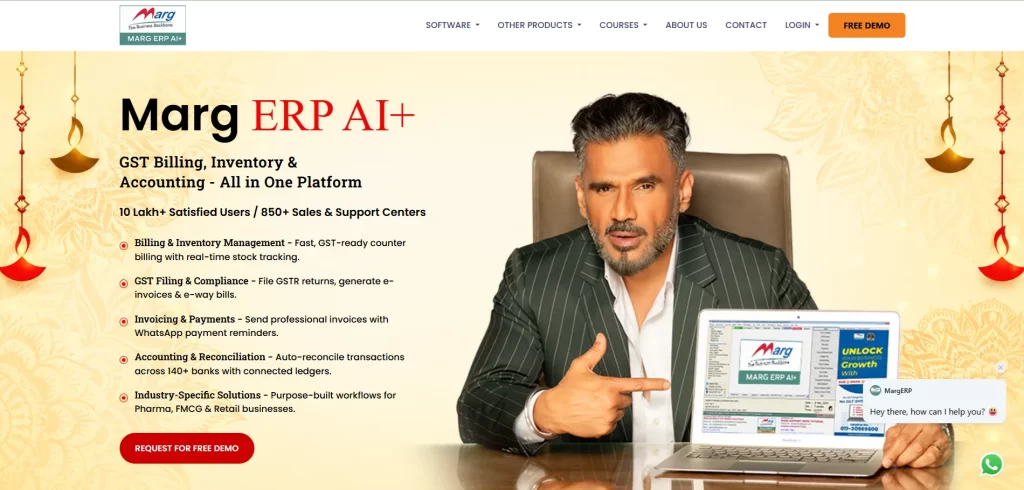
Marg is particularly popular among pharmaceutical distributors, FMCG traders, and retail businesses for its industry-specific inventory handling.
Pros: Strong batch/expiry tracking, industry-specific templates (pharma, FMCG), GST compliant.
Cons: Less suited to service-based businesses; learning curve for non-finance users.
Best for: Distribution and retail SMEs in pharma, FMCG, or similar regulated inventory sectors.
Pricing: Varies by module and user count; contact Marg directly for a current quote.
5. Odoo
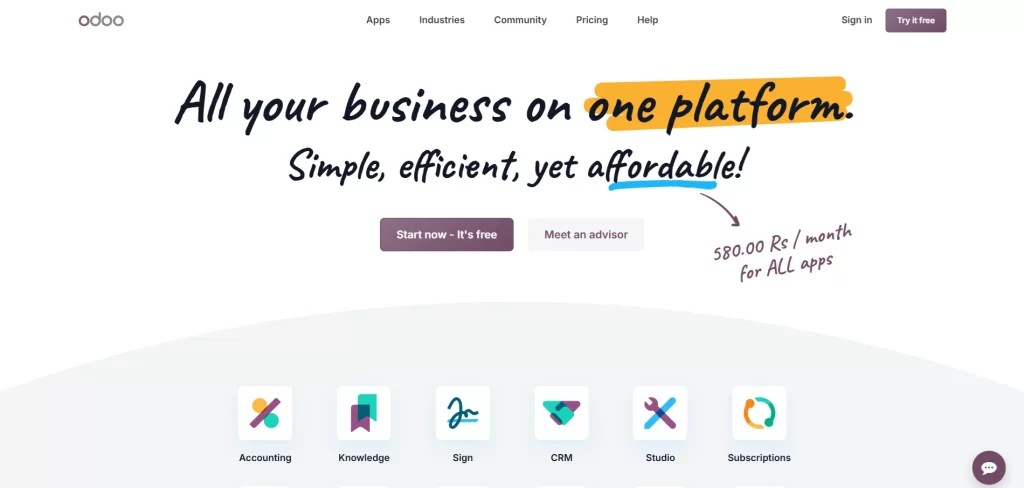
Odoo is an open-source, modular ERP with apps covering everything from inventory and manufacturing to HR and CRM, used globally and by a growing number of Indian SMEs.
Pros: Highly customizable, scalable module-by-module, strong for manufacturing SMEs needing BOM and production planning.
Cons: Can require implementation partner support to configure well; GST localization depends on the India-specific modules being properly set up.
Best for: Manufacturing and multi-department SMEs that expect to scale and need flexibility across modules.
Pricing: Free Community edition available; Odoo’s paid Enterprise apps are typically priced per app per user per month — confirm current India pricing with Odoo or a certified partner.
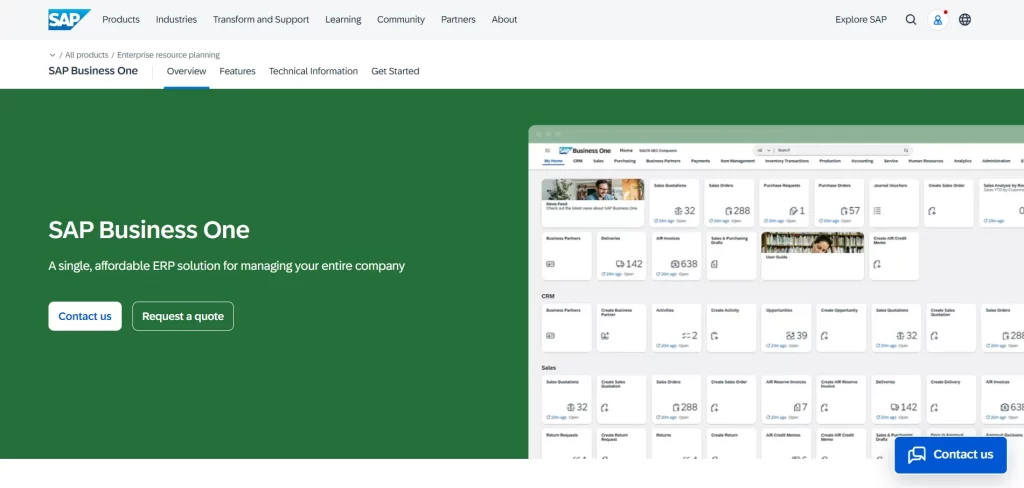
6. SAP Business One
SAP Business One is the enterprise-grade option that’s scaled down for SMEs needing more robust, structured ERP capability than typical small-business tools offer.
Pros: Deep financial controls, strong reporting, built for multi-location and complex manufacturing workflows.
Cons: Higher cost and longer implementation timeline than most SME-focused alternatives; often requires a certified implementation partner.
Best for: Mid-sized manufacturing or distribution SMEs with more complex operations and a larger implementation budget.
Pricing: Implementation and licensing costs vary significantly by partner and scope — typically a larger investment than the other tools on this list, so request a detailed quote before committing.
ERP Software Comparison Table
| ERP Software | Best For | Cloud/On-Premise | GST Ready | Approx. Starting Price (INR) |
|---|---|---|---|---|
| Tally Prime | Trading & retail | On-premise (cloud add-on available) | Yes | ₹18,000 one-time (varies by edition) |
| Zoho ERP | Services & trading | Cloud | Yes | Under ₹1,000/user/month (varies by app) |
| Busy Accounting Software | Multi-branch SMEs | Both | Yes | ₹7,000/year (varies by edition) |
| Marg ERP | Pharma/FMCG distribution | Both | Yes | Varies by module |
| Odoo | Manufacturing & scaling SMEs | Cloud (self-hosted option available) | Depends on localization setup | Free Community; paid apps per user/month |
| SAP Business One | Mid-sized manufacturing | Both | Yes (with localization) | Higher investment; quote-based |
Prices are approximate as of 2026 and subject to change. Always confirm current rates directly with each vendor.
How Much Does ERP Cost for SMEs in India?
ERP implementation cost in India spans a wide range depending on business size, number of users, and whether you choose cloud or on-premise deployment.
- Entry-level tools (basic GST billing + inventory): Free to roughly ₹10,000/year.
- Mid-range cloud ERP: Roughly ₹1,000–₹3,000 per user/month, depending on modules selected.
- Full-featured ERP with implementation support (like Odoo Enterprise or SAP Business One): Costs can run into several lakhs of rupees once implementation, customization, and training are included.
Beyond license fees, factor in implementation costs (data migration, configuration, staff training) and ongoing support or subscription renewals. For a comparison of standalone compliance tools that cost less upfront, see our guide to the best GST billing software in India.
How to Choose the Right ERP for Your Business
- 1. Map your core pain points first.
Is it GST compliance, inventory accuracy, or disconnected departments? Choose ERP for small business in India based on the problem you’re actually solving, not the longest feature list.
- 2. Decide cloud vs. on-premise early.
Cloud ERP in India suits most growing SMEs due to lower upfront costs and remote accessibility. On-premise fits businesses with specific data control needs.
- 3. Check GST and e-invoicing compliance details.
Confirm the vendor updates the system promptly when GST rules change — this protects you from compliance risk.
- 4. Request a trial with your real data.
A demo with sample data hides usability issues. Test with your actual invoices, SKUs, and workflows
- 5. Evaluate local support.
ERP implementation often needs hands-on troubleshooting — choose a vendor or partner with reliable local support in India, not just email tickets.
- 6. Plan for scalability.
Choose a system that can add users, warehouses, or modules like payroll (see our best payroll software in India guide) without a full re-implementation later.
- 7. Compare total cost of ownership, not just license price.
Include implementation, training, and annual renewal costs in your budget comparison.
Common ERP Implementation Mistakes to Avoid
- Skipping proper data migration planning. Moving incomplete or messy data into a new ERP creates problems that persist for years.
- Underestimating training time. Staff resistance is one of the top reasons ERP rollouts fail — budget real time for training, not just a one-day walkthrough.
- Choosing based on price alone. The cheapest ERP software in India isn’t always the most affordable choice long-term if it lacks GST compliance updates or scalability.
- Ignoring integration needs. If you sell on e-commerce marketplaces, check compatibility — our best e-commerce platforms in India guide covers which platforms integrate most smoothly with common ERP and accounting tools.
- Not assigning an internal project owner. ERP rollouts need a dedicated point person internally, not just reliance on the vendor’s implementation team.
- Overcustomizing from day one. Start with core modules and expand gradually, rather than trying to configure every feature before going live.
Choosing the Right ERP Starts With Knowing Your Business Needs
There’s no single best ERP software in India for every SME — the right choice depends on your industry, team size, budget, and how much compliance complexity you’re managing. A trading business with straightforward GST billing needs may do perfectly well with Tally Prime or Busy, while a manufacturing SME planning to scale across locations may get more long-term value from Odoo or SAP Business One.
Start by listing your top three operational pain points, shortlist two or three vendors from this guide that address them directly, and request a trial using your real business data before committing. For related tools that often work alongside your ERP, explore our guides on accounting software for small business in India and AI tools for small business in India.
Frequently Asked Questions
ERP pricing in India ranges from free entry-level tools to over ₹1 lakh annually for full-featured platforms with implementation support. Most SMEs spend between ₹10,000 and ₹3,00,000 per year depending on users, modules, and deployment type.
Cloud ERP typically suits growing SMEs better due to lower upfront costs, remote access, and automatic updates. On-premise ERP is preferable mainly for businesses with specific data control or connectivity constraints.
Most major ERP platforms built for the Indian market support GST billing, but the depth of e-invoicing and e-way bill automation varies. Always confirm current compliance features directly with the vendor before purchasing.
Accounting software focuses primarily on bookkeeping, invoicing, and financial reporting. ERP software integrates accounting with inventory, procurement, HR, and production, giving a unified view across the entire business.
Implementation timelines vary from a few weeks for simple cloud-based tools to several months for complex systems like SAP Business One or heavily customized Odoo deployments, depending on data migration and training needs.